Share:


Minskoff Theatre
200 West 45th Street between Seventh and Eighth Avenues
New York City
Sunday, September 28, 2025 at 1 p.m.
Ticket prices:
Orchestra: $75
Front Mezzanine: $70
Mid Mezzanine: $60
Rear Mezzanine: $45
Wheelchair accessible seats and companions: $45
TDF service fee: $2 per ticket
Limit eight (8) tickets per order. Limited number of tickets available.
This is a special performance for individuals on the autism spectrum, as well as people with other developmental or cognitive disabilities who may benefit, not for the general public.
Tickets for this performance are only available through TDF! Beware of secondary ticket sellers who may pretend to have seats at a much higher price.
Age recommendation: Ages 6 and up. Every person entering the theatre must have a ticket regardless of age. Children under age 2 will not be admitted.
Running time: 2 hours and 30 minutes including a 15-minute intermission
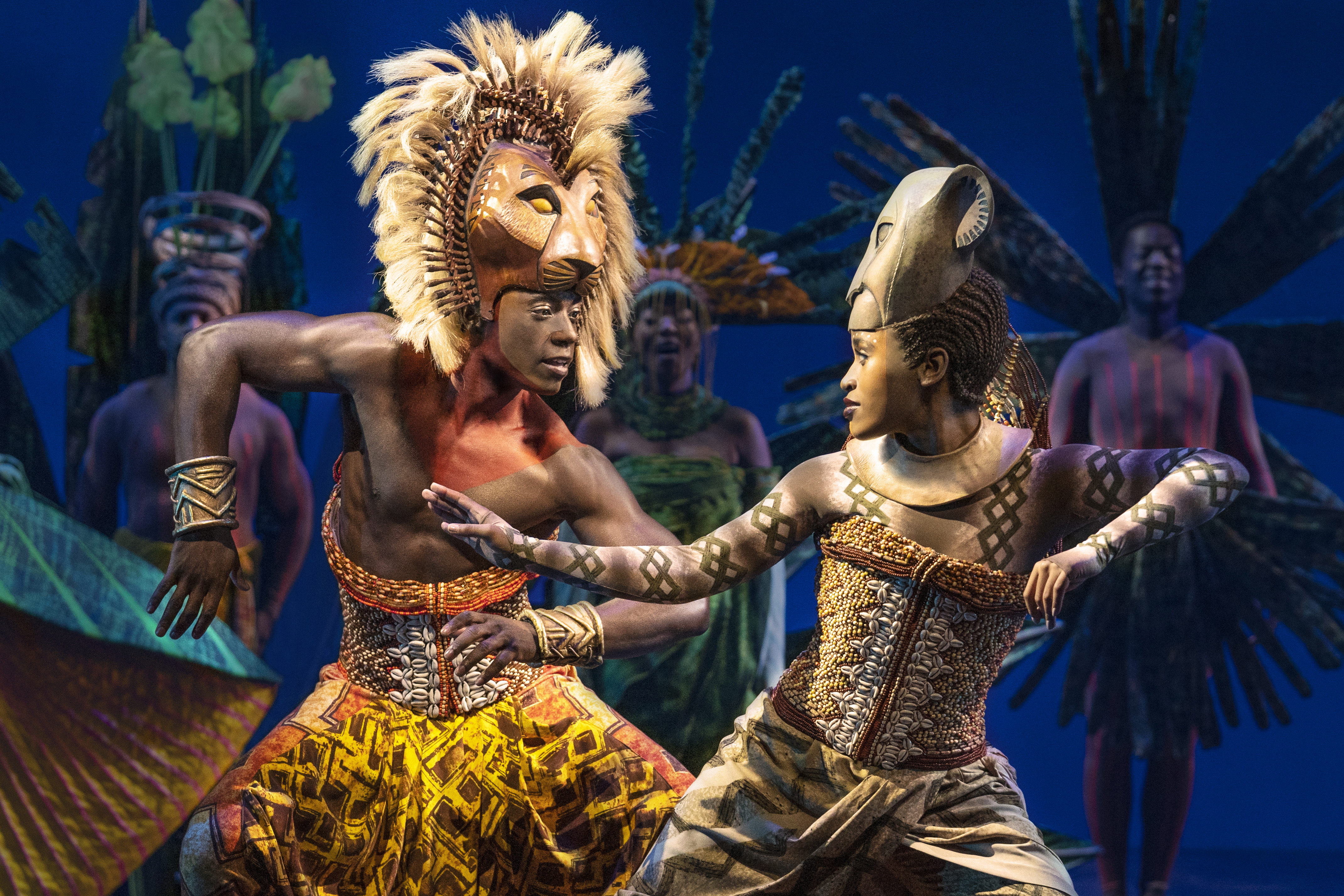
About the show: Based on the animated blockbuster of the same name, Disney's Tony-winning musical The Lion King has been experienced by more than 100 million people worldwide. It's the story of Simba, an adventurous lion cub who is next in line to be King of the Pride Lands, a region in the African savanna. An unexpected tragedy forces him to flee but eventually he returns to take his place as the King of the Pride Lands.
Content warnings:
Accessibility: Wheelchair accessible and companion seating is located in the rear of the orchestra. These locations are the ONLY ones that do not require steps. There is a main lobby elevator that is strictly designated for guests with mobility disabilities. Please ask a theatre representative to escort you to the elevator. Wheelchair accessible restrooms are located on the theatre's orchestra and mezzanine levels. Assistive listening devices, audio description and closed captioning are available. We recommend using SeatPlan to determine the best seating for you and your party. You can find more accessibility information at TheatreAccess.nyc.
REFUNDS ARE ON A CASE-BY-CASE BASIS AND ONLY AVAILABLE UP TO 30 DAYS BEFORE THE PERFORMANCE. If you have an exceptional case, such as COVID less than 30 days prior to the performance, you must send proof of a positive test or a doctor’s note to autism@tdf.org in order to receive a refund.
What they're saying:
"The breathtakingly staged Broadway adaptation of Disney's king of the cartoon jungle is an instant theatre classic." -Entertainment Weekly
"Awe-inspiring! Broadway theatre is alive again. Julie Taymor's imaginative ideas seem limitless. It's a gorgeous, gasp-inducing spectacle. Most important— against all odds—it has innocence. The show appeals to our primal, childlike excitement in the power of theatre to make us see things afresh." - TIME Magazine
What makes the performance autism-friendly?
To create an autism-friendly performance, the show is performed in a welcoming, supportive environment for individuals on the autism spectrum, with sensory and communication disorders, or learning disabilities. Slight adjustments to lighting and sound are made. In the downstairs theatre lobby, there will be a break area staffed by specialists in the field in case anyone needs to leave the theatre during the show.
We can make no assurances that this performance will be suitable for everyone with autism. Parents and guardians are solely responsible for their children's viewing and engagement with the performance.
TDF wishes to acknowledge the following donors for their generous support of TDF Autism Friendly Performances:
Anonymous, Darlene and Stuart Altschuler, Theodore H. Barth Foundation, The FAR Fund, Howard Gilman Foundation, Horace W. Goldsmith Foundation, Jane and In Seon Hwang, Morgan Stanley Soundview Complex, Thomas M. Neff and the Hadestown Education Initiative, NEXT for AUTISM, Paul Hastings, RBC Foundation USA, Adolph and Ruth Schnurmacher Foundation, Seventh District Foundation, The Shubert Foundation, Standard Industries, The Start It! Foundation, The Taft Foundation, Ronald and Catherine Weiss in honor of Joseph Flom
This program is supported, in part, by public funds from the New York City Department of Cultural Affairs in partnership with the New York City Council's Committee on Mental Health, Disabilities, and Addictions. This program is made possible in part by the New York State Council on the Arts with the support of Governor Kathy Hochul and the New York State Legislature.



 Tickets